About Aqaba
Aqaba Castle
With origins dating back to the Mamluk Sultan Qanswah el-Ghawri's reign (1501-1517 AD), Aqaba Castle is a symbol of Jordan's rich past. Located along the Red Sea, this fort played a key role in defeating the Ottoman Empire. The fort underwent renovations under both Mamluk and Ottoman rule and functioned as a caravanserai and military barracks. Its main gate proudly bears the Hashemite Coat of Arms, reflecting its historical significance.
Arab Revolt Plaza
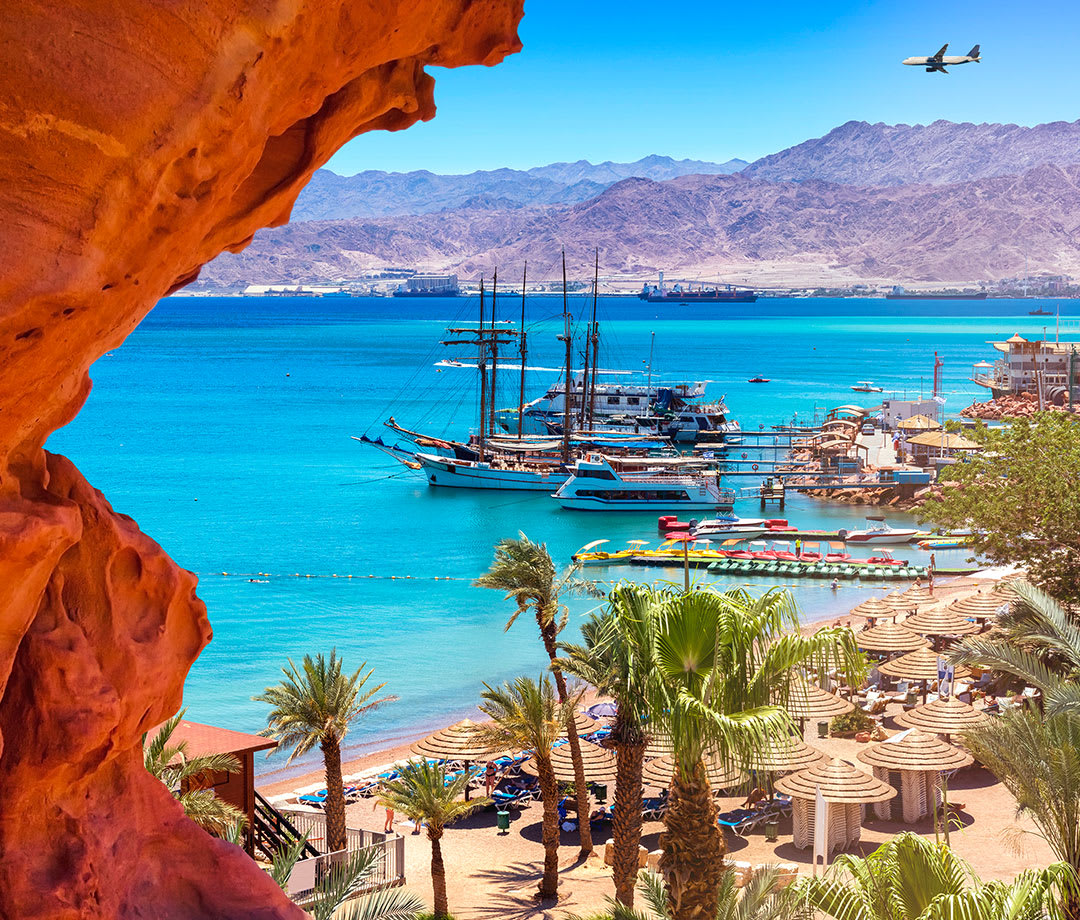
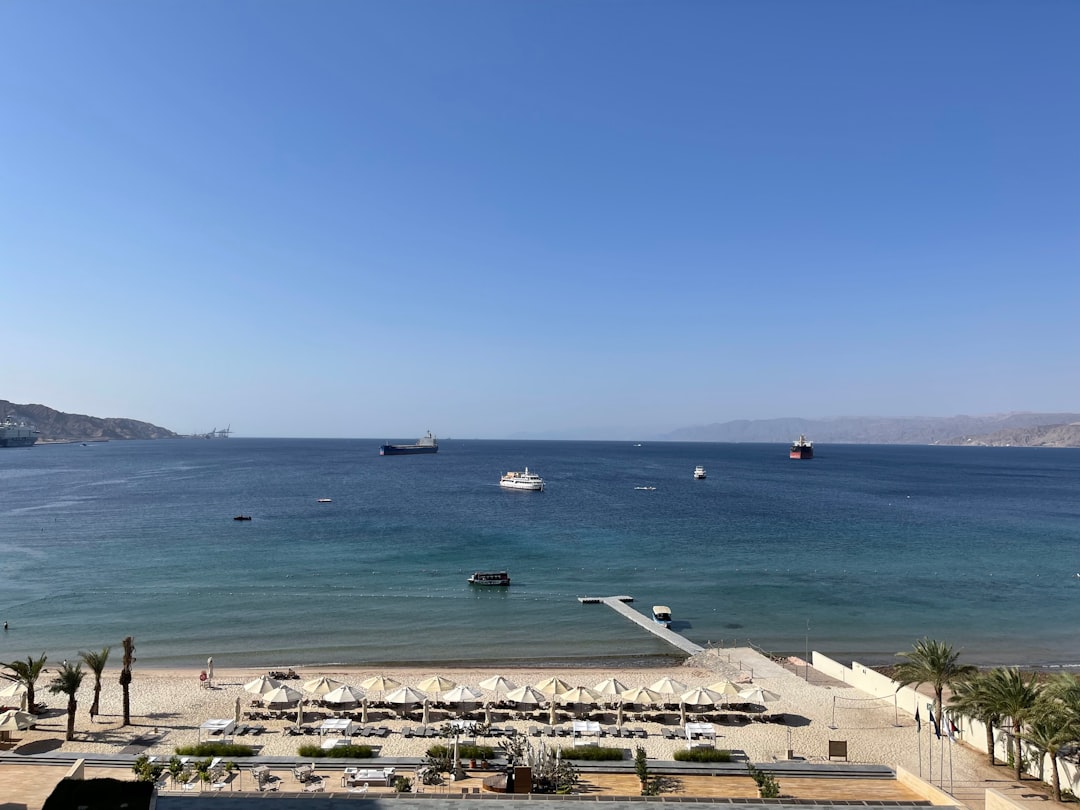
Your tour of Aqaba’s historical sites culminates at the Great Arab Revolt Plaza. This huge square is a great space to relax and enjoy the views of the middle beach, and as such is considered an ideal escape for visitors. The importance of the Plaza lies in its historical value.
It embraces the flag of the Great Arab Revolt, and the house of the Leader of the Arab Revolution, Al Hussein Bin Ali. It bears a deep significant national symbolism as the first Jordanian land set foot on by the armies of the revolution led by Al Sharif Hussein bin Ali. It is also the site where the first bullet of the Arab Revolt was shot.
Sharif Hussein bin Ali Mosque
The mosque was named after Hussein bin Ali who was the Sharif and Emir of Mecca from 1908 until 1917. Known as the initiator of the Arab Revolt, Al Sharif Hussein Bin Ali stood against the increasingly nationalistic Ottoman Empire during the course of the First World War.
With its pristine white structure, intricate glass windows and soaring minarets, Al Hussein Bin Ali mosque is a beacon of Islamic architecture and a moving sight among the hustle and bustle of city life. It also boasts the largest dome among Jordan’s’ mosques. It is considered a main mosque for Aqaba’s citizens. Visitors can quietly stroll around the elegant interior and watch the city’s daily life at its most tranquil and pious.